In today’s fast-paced industrial environment, every second counts. From oil refineries in Karachi to food processing plants in Lahore and textile industries in Faisalabad, a well-engineered Process Piping System is the lifeline of operations. It ensures the safe transport of liquids, gases, and chemicals — minimizing risks and maximizing efficiency.
Yet, in Pakistan, where industries are rapidly evolving, choosing the right piping partner is a big decision. You need a company that understands local challenges like material availability, climate conditions, and safety regulations. That’s where Allied Engineering Services comes in — delivering safe, efficient, and tailor-made piping solutions for industries nationwide.
What is a Process Piping System?
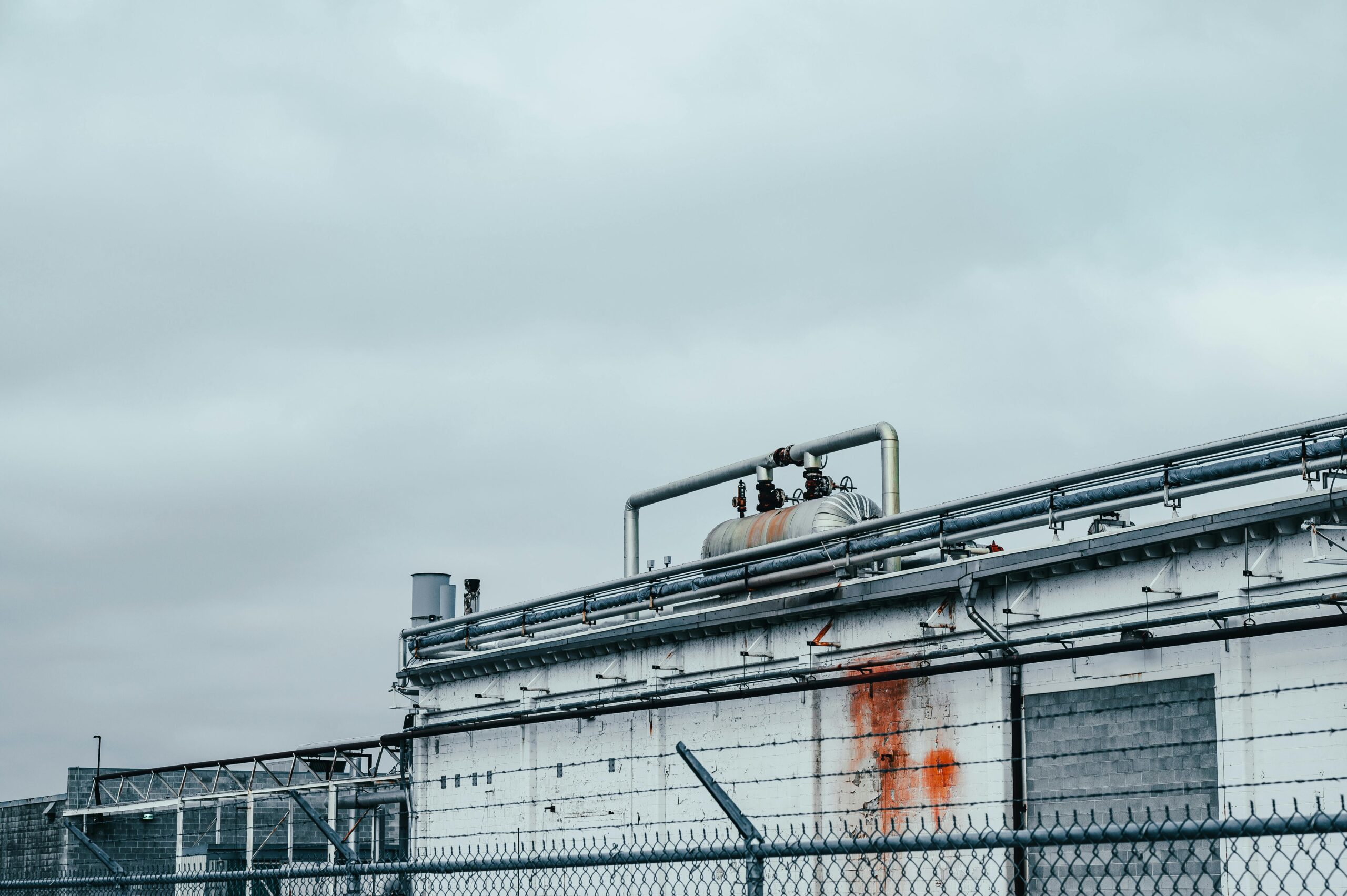
A Process Piping System is a network of interconnected pipes, valves, fittings, and supporting elements designed to move fluids or gases within an industrial facility. Unlike domestic plumbing, which focuses on water supply and drainage, process piping is integral to core production operations.
Examples in Pakistan
- Oil & Gas: Refineries in Karachi and Multan rely on process piping to safely transport crude oil, natural gas, and refined products.
- Chemical Processing: Facilities in Faisalabad and Lahore use piping systems for mixing and distributing chemicals.
- Food & Beverage: Companies in Punjab depend on hygienic stainless-steel piping for beverages, dairy, and edible oils.
- Power Plants: Thermal power stations across Sindh and Punjab use piping systems to safely transport steam and water.
These examples highlight why piping systems are critical for industrial growth and safe operations in Pakistan.
Components of a Process Piping System
A complete piping network is more than just pipes. It includes several key components, each essential to performance and safety:
Pipes and Tubes
The leading carriers of liquids and gases. Material selection varies based on application:
- Stainless steel: Ideal for food, beverage, and pharmaceutical industries.
- Carbon steel: Common in oil & gas and power sectors.
- PVC and composite materials: Used for lightweight and low-pressure applications.
Fittings (Elbows, Tees, Reducers)
Fittings connect pipes, allow directional changes, and manage flow distribution.
Valves and Flanges
Valves control the flow, while flanges ensure secure and easy-to-maintain joints.
Supports and Hangers
These prevent sagging and absorb vibrations, extending the life of the entire piping network.
Gaskets and Fasteners
Crucial for leak-proof joints, ensuring the integrity of connections even under extreme pressure or temperature.
The Role of Pipework Fabrication
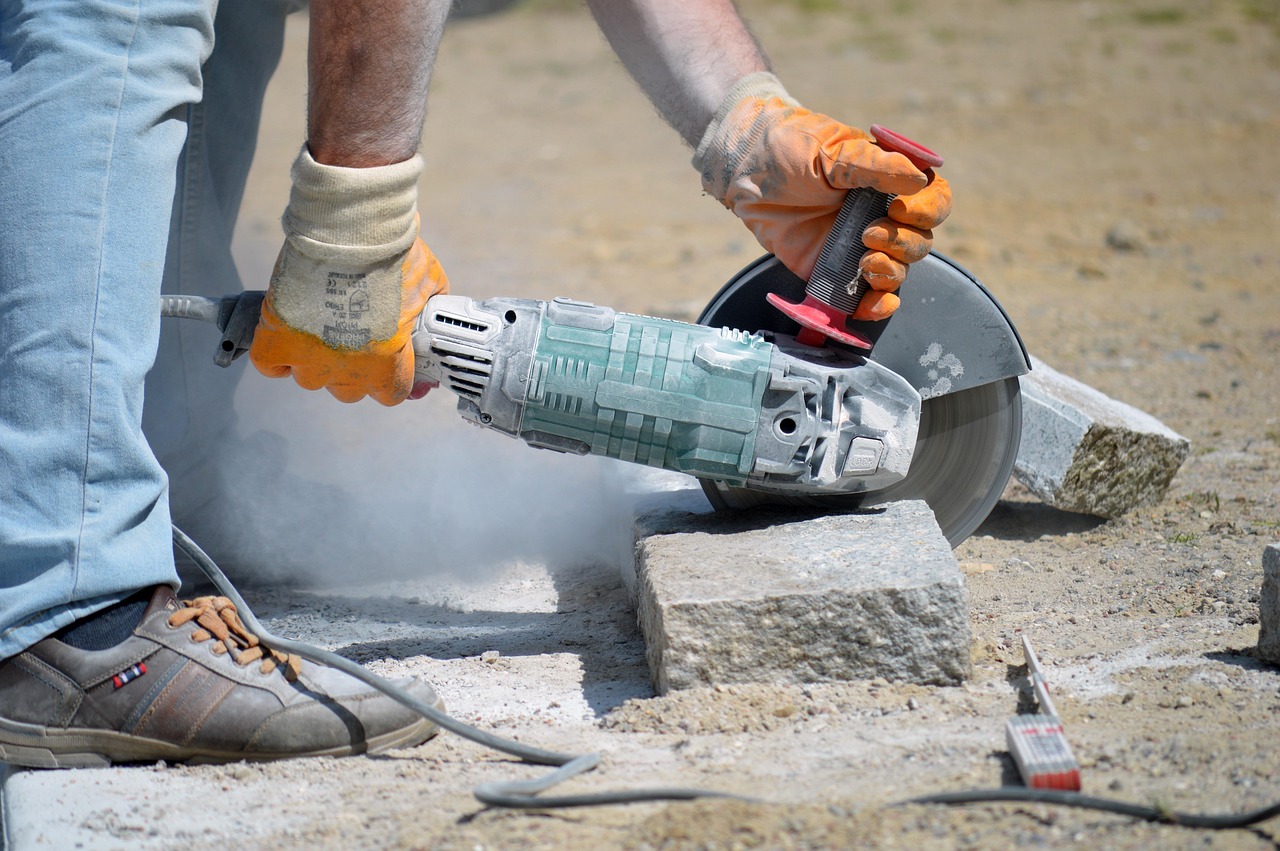
Pipework fabrication is the art and science of preparing pipes before installation. It includes cutting, bending, welding, and assembling components to exact design specifications.
How It’s Done in Pakistan
In Pakistan, Allied Engineering Services uses advanced techniques like CNC pipe cutting, automated welding, and non-destructive testing (NDT) to ensure every joint is strong and reliable.
For example:
- Oil & Gas pipelines for Karachi refineries require specialized welding to prevent leaks under high pressure.
- Food-grade stainless steel piping for beverage factories demands precision polishing and sterilized fabrication areas.
Why It Matters
Fabrication reduces on-site installation time, minimizes errors, and ensures that every part of the piping system is tailored to its purpose. This is especially important in industries like pharmaceuticals, where contamination risks are unacceptable.
Why Quality Matters in Industrial Piping
A poorly designed or fabricated piping system can have devastating effects:
- Leaks: Wasting costly fluids and increasing environmental risks.
- Downtime: Production halts lead to financial losses.
- Safety Hazards: Dangerous gas or chemical leaks can harm workers and the environment.
Example
One local textile dyeing factory in Lahore faced frequent production stoppages due to pipe failures, resulting in annual losses of millions. After switching to a properly engineered process piping system from Allied Engineering Services, they eliminated downtime and boosted overall productivity.
Why Choose Allied Engineering Services?
Choosing the right partner can make or break your project. Allied Engineering Services is trusted by industries across Pakistan for several reasons:
- Certified Engineers: Our team includes certified engineers and skilled welders with years of hands-on experience.
- End-to-End Solutions: We handle everything — piping design, fabrication, and installation — under one roof.
- Proven Track Record: From Karachi to Peshawar, major industries rely on our reliable systems.
- Quality & Safety First: Every weld is inspected, every joint tested, and every system built to international standards.
- On-Time Delivery: We understand that industrial downtime is expensive, which is why we stick to strict project schedules.
Our Process – From Design to Installation
We’ve developed a proven approach to delivering reliable piping systems:
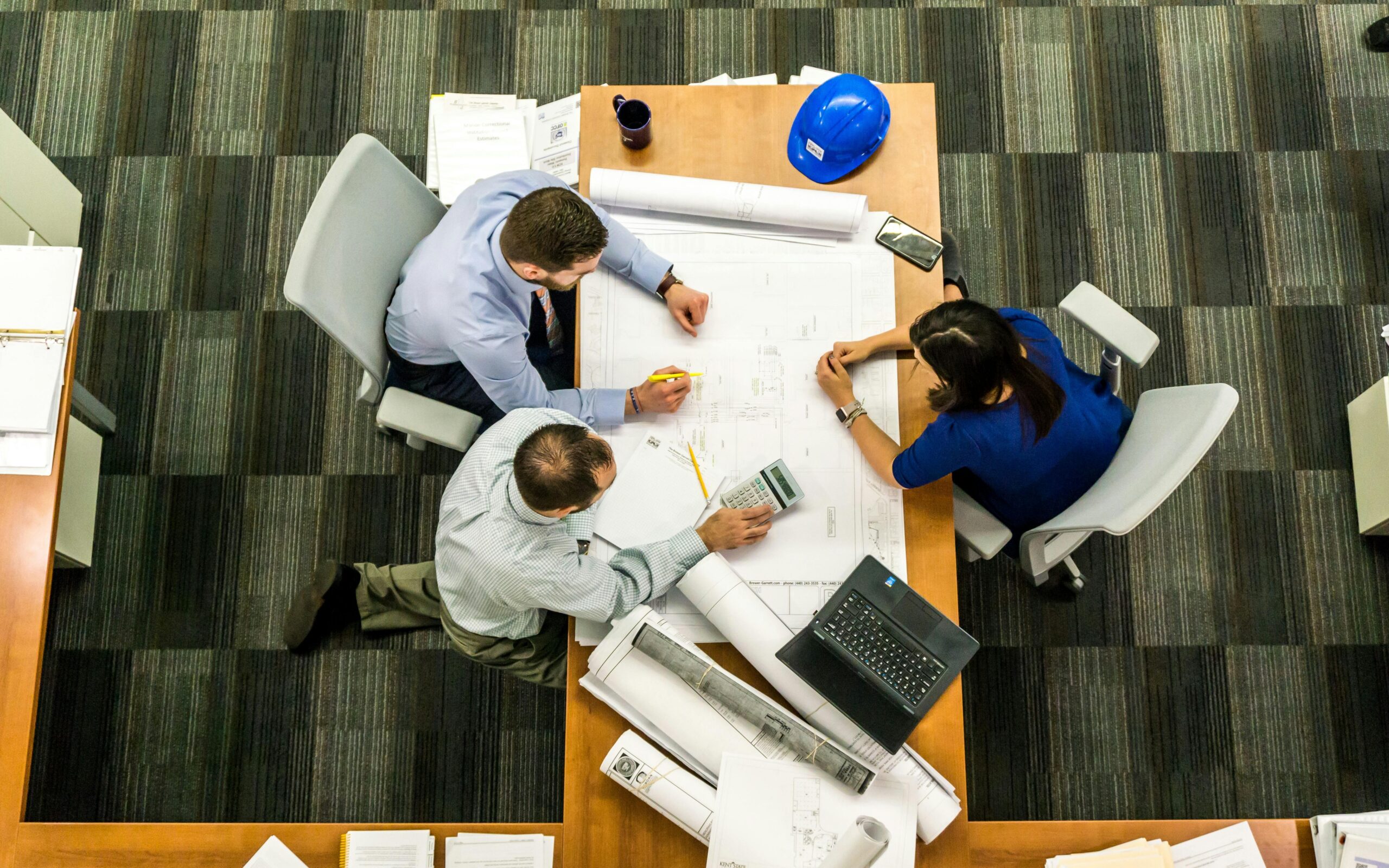
- Initial Consultation – We assess your facility’s needs, industry-specific regulations, and future scalability.
- Piping Design & Engineering – Using advanced software, we create efficient layouts optimized for flow and safety.
- Material Selection – Choosing the right pipe materials based on chemical compatibility, temperature, and pressure.
- Workshop Fabrication – Precise cutting, welding, and assembly reduces on-site work and potential errors.
- On-Site Installation & Testing – We install and test the system to ensure leak-free performance and compliance.
People Also Ask
Q1: What is the difference between process piping and plumbing?
Plumbing is for domestic water and drainage, while process piping supports industrial production processes.
Q2: How long does pipework fabrication take?
Project duration depends on size and complexity, but prefabrication techniques speed up delivery.
Q3: What materials are used in industrial piping?
Materials include stainless steel, carbon steel, copper, and specialized alloys based on process requirements.
Q4: Do you offer maintenance services?
Yes. We offer inspection, cleaning, repair, and replacement to keep systems running optimally.
Q5: Are your engineers certified?
Absolutely. Our engineers and welders are internationally certified and undergo regular training.
Partner with the Best
When it comes to building a reliable, safe, and efficient Process Piping System in Pakistan, Allied Engineering Services stands out as the trusted choice. From design and fabrication to installation and maintenance, we provide complete solutions that deliver durability and safety.
Need a robust piping system for your facility? Contact Allied Engineering Services today — we deliver excellence, on time, every time.